
The Future of Wearable Technology and Its Impact on Everyday Life
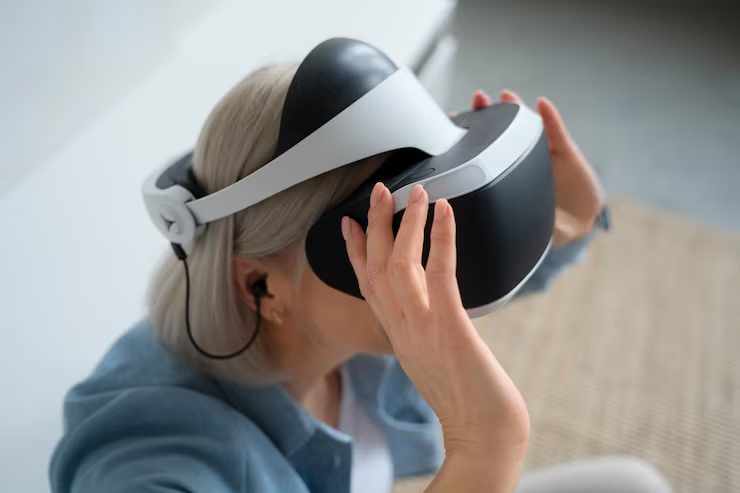
A little over a decade ago, wearable technology was defined almost entirely by rubberized wristbands that counted footsteps and buzzed when a smartphone received a text message. They were novelties—digital pedometers that rewarded daily strolls with cheerful pixelated animations, or auxiliary smartwatch screens that saved users from pulling a handset out of their pocket. While entertaining, these early gadgets were passive, strictly descriptive, and tethered entirely to the smartphones in our pockets.
Today, wearable technology is undergoing a profound paradigm shift. The industry is moving past basic fitness tracking and entering an era of ambient intelligence, continuous clinical monitoring, and unobtrusive computing. As microprocessors shrink, battery chemistries improve, and machine learning models process complex biometric data directly on the device, wearables are transforming from reactive accessories into proactive, invisible companions that actively reshape how we manage our health, navigate our physical environments, and interact with the digital world.
From Reactive Activity Tracking to Predictive Biometric Health
The initial generation of fitness trackers operated in the rearview mirror. They counted the steps you had already taken, totaled the calories you had already burned, and logged the hours you spent in bed. While informative, this historical data left the burden of interpretation and lifestyle adjustment entirely on the wearer.
The future of wearable health lies in longitudinal biomarker tracking and predictive analytics. Modern sensor suites do not simply log isolated data points; they establish an individual’s dynamic physiological baseline and detect subtle deviations before conscious symptoms emerge.
By combining high-fidelity photoplethysmography (PPG), electrodermal sensors, and advanced skin temperature arrays, next-generation wearables monitor continuous heart rate variability, peripheral blood flow dynamics, and autonomic nervous system stress. An algorithm that detects a sudden drop in nocturnal heart rate variability paired with an elevated basal body temperature can warn a user of an impending viral infection or systemic physical exhaustion days before a fever develops.
The medical utility expands even further as developers pursue non-invasive metabolic monitoring. Continuous glucose monitoring has already migrated from specialized diabetes management into mainstream wellness. As optical and transdermal biosensing technologies mature, the ability to track metabolic response, hydration levels, and blood pressure trends without painful finger-pricks will democratize preventative medicine, fundamentally altering how individuals make daily dietary and recovery choices.
The Diversification of Form Factors Beyond the Wrist
While the wrist remains the dominant beachhead for consumer electronics, it is no longer the sole center of gravity for wearable innovation. The wrist is anatomically crowded, prone to movement interference during exercise, and uncomfortable for many people to wear overnight. As hardware components miniaturize, smart technology is migrating into more discreet, specialized form factors tailored to specific parts of the human body.
Smart Rings and Ambient Micro-Sensors
Smart rings have rapidly emerged as the primary alternative to the traditional smartwatch. The finger provides a physiological advantage: the digital arteries located along the sides of the fingers sit closer to the surface of the skin than the radial artery at the wrist, allowing optical sensors to capture cleaner pulse waveforms with significantly less motion noise.
Because rings lack power-hungry visual displays, they comfortably run for multiple days on a single charge while tracking sleep stages, recovery metrics, and nocturnal temperature shifts. Their lightweight, discreet profile makes them particularly appealing for users who prefer mechanical analog timepieces or who find glowing screens at the dinner table distracting.
Hearables and the Auditory Computing Layer
At the other end of the sensory spectrum are hearables—intelligent earbuds that blend high-fidelity audio with biometric surveillance and conversational artificial intelligence. Ear canals offer a stable, dark, and highly vascular environment, making the ear an ideal location for measuring core body temperature, inner-ear pulse rates, and arterial oxygen saturation.
Beyond biometric monitoring, hearables represent the foundation of voice-first ambient computing. Equipped with bone-conduction microphones and low-latency wireless transmitters, intelligent earbuds serve as continuous digital concierges. They provide whisper-quiet spatial navigation, instantaneous natural-language translation during international conversations, and contextual auditory cues that reduce the need to gaze down at glass screens.
Smart Eyewear and Heads-Up Reality
Smart glasses are finally shedding the bulky, awkward designs that hindered early consumer adoption. Modern frames now look virtually indistinguishable from traditional prescription eyewear while packing micro-LED projectors, open-ear acoustic speakers, and ultra-miniaturized cameras into the temples.
Rather than overwhelming the user with immersive virtual environments, smart eyewear delivers contextual micro-interactions: turn-by-turn walking arrows overlaid faintly onto the sidewalk, subtle reminders displaying the name of a business acquaintance approaching across a conference floor, or discreet teleprompters during presentations. By keeping digital information in the user’s peripheral vision, smart glasses reconnect people with their immediate physical surroundings rather than pulling their focus downward into a handheld device.
Ambient Intelligence and Edge AI Integration
The transformative power of future wearables does not stem from hardware alone; it relies on the intelligence processing the sensor data. For years, wearables suffered from alert fatigue. Devices indiscriminately buzzed for low-priority notifications, interrupted meetings to suggest a walk, or fired alarming warnings based on single erratic sensor readings.
The integration of on-device edge computing and contextual machine learning solves this friction. Instead of streaming raw, unencrypted telemetry to distant cloud servers for batch processing, modern wearable chipsets possess dedicated neural processing units that analyze signals locally.
This localized intelligence transforms raw numbers into actionable context. An advanced system recognizes the difference between elevated heart rates caused by physical exertion, chronic occupational stress, or an acute panic response, adjusting its feedback accordingly. Rather than issuing rigid commands, the wearable operates as an empathetic assistant that knows when to deliver a calming breathing exercise, when to quiet all incoming alerts, or when to suggest an early bedtime based on accumulated physical strain.
Furthermore, wearables are becoming the central authentication tokens for the broader Internet of Things. Using secure ultra-wideband radio protocols, your ring or watch automatically unlocks your vehicle as you approach, adjusts residential lighting and thermostat temperatures based on your circadian state, and authorizes point-of-sale transactions without requiring physical cards or facial scans at a register.
Addressing Bio-Privacy and the Challenge of Trust
As wearable technology weaves itself intimately into the biological rhythms of our daily routines, it presents urgent ethical and security questions. Biometric telemetry is the most intimate data an individual generates. Unlike a compromised credit card number or an email password, your resting heart rate patterns, sleep cycles, movement history, and physiological stress profiles cannot be canceled and reissued.
The commercialization of bio-data represents a real hazard. If health data harvested by consumer devices is commodified and sold to third-party data brokers, it could easily influence life insurance premiums, employment decisions, or predatory advertising algorithms targeting individuals during moments of heightened emotional vulnerability.
To preserve user trust, hardware architects and regulatory frameworks are placing strict emphasis on zero-knowledge architecture and localized encryption. Data processed at the edge should remain under the strict sovereign custody of the user, requiring explicit, granular permissions before any diagnostic marker is shared with a medical provider or health network. Clear boundaries between consumer wellness gadgets and regulated clinical tools must be maintained to ensure users understand the precision and limitations of the devices they wear.
The ultimate destination of wearable technology is functional invisibility. As the boundaries between consumer electronics, high-end fashion, and medical monitoring dissolve, our devices will stop demanding our constant attention and begin operating quietly in the background of our lives. By anticipating biological needs, streamlining routine physical tasks, and delivering timely insights without cognitive friction, future wearables will not pull us deeper into virtual spaces—they will empower us to live healthier, more present, and more balanced lives in the real world.


