
Essential Fashion Styling Tips for Creating a Polished and Confident Look
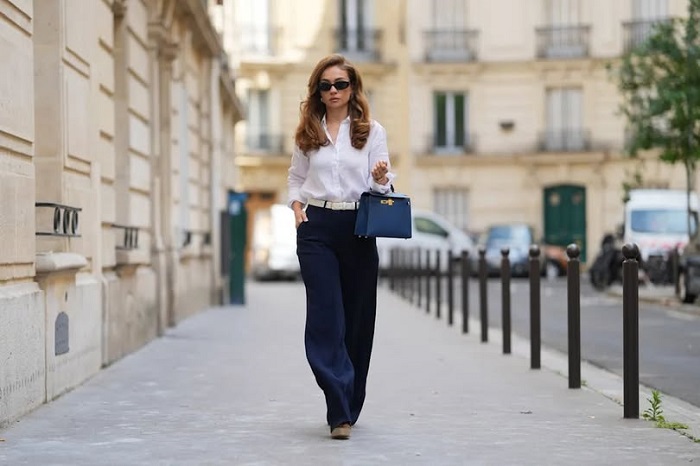
There is a distinct difference between wearing expensive clothes and possessing genuine style. Walking into a room looking put-together does not require designer logos, runway-exclusive silhouettes, or an exhaustive wardrobe budget. In fact, relying heavily on loud branding often produces the opposite effect, creating visual distraction rather than understated elegance.
A truly polished aesthetic is built on quiet fundamentals: how a garment drapes across the shoulders, how proportions interact with your natural frame, and how intentionally accessories ground the ensemble. Dressing well is essentially an architectural exercise in balance, texture, and restraint. When you understand the practical mechanics of personal styling, getting dressed stops feeling like a morning gamble and becomes a reliable expression of quiet confidence.
The Non-Negotiable Foundation: Proportional Fit and Tailoring
The single most transformative styling tool does not live on a boutique sales rack; it lives in your local tailor’s shop. Off-the-rack clothing is manufactured to fit broad statistical averages rather than individual human bodies. A jacket or pair of trousers designed to fit a million different people will rarely fit you exceptionally well without minor adjustments.
Even the most luxurious garment looks sloppy if sleeve cuffs swallow the wrists or trouser hems bunch awkwardly over shoes. Conversely, an inexpensive garment altered to your exact dimensions instantly reads as high-end custom wear.
A few targeted alterations make a dramatic difference:
-
Sleeve length: Jacket sleeves should end just above the wrist bone, allowing approximately a quarter to half an inch of a shirt cuff to show.
-
Hem breaks: Trousers should feature either no break or a clean, subtle half-break where the fabric gently brushes the top of the shoe without folding over multiple times.
-
Shoulder alignment: The seam of a structured blazer or coat must sit squarely where your shoulder bone ends and your arm begins. If the seam droops past that point, the entire silhouette loses structure.
Cultivating a relationship with a skilled tailor pays compounding dividends over time. Hemming pants, nipping in an oversized waist, or tapering a boxy shirt changes the entire presence of your wardrobe.
Mastering the Rule of Thirds and Silhouette Balance
The human eye instinctively appreciates harmony and proportion. When an outfit cuts the body directly in half—such as an untucked, boxy shirt worn over low-rise trousers—it visually shortens the legs and produces a heavy, uncalibrated silhouette.
To create an elongated, visually pleasing appearance, leverage the golden ratio or rule of thirds. Instead of splitting your frame 50/50, aim for a 1/3 to 2/3 distribution:
-
Pair high-waisted trousers or an A-line skirt (the bottom two-thirds) with a tucked-in top or a cropped jacket (the top one-third).
-
Layer a long trench coat or duster cardigan (the outer two-thirds) over a monochrome base layer, creating an unbroken vertical line.
Beyond vertical ratios, always balance volume. Wearing loose, oversized garments from head to toe can swallow your frame, while tight-fitting pieces top to bottom often feel restrictive and dated.
If you choose wide-leg trousers or a flowing pleated skirt, anchor the look with a fitted ribbed knit or a tailored button-down. If you prefer an oversized boxy blazer, pair it with slim, straight-leg denim or tailored cigarette trousers to preserve structural definition.
Adding Depth Through Fabric Weight and Texture Mixing
A monochrome or neutral outfit can easily fall flat if every piece shares the identical finish. One of the clearest indicators of advanced styling is the deliberate contrast of tactile textures. Mixing contrasting materials adds depth, dimension, and visual interest without needing bright colors or busy prints.
Experiment with high-contrast fabric combinations:
-
Smooth against rugged: Pair a soft silk or satin slip skirt with an oversized, chunky cable-knit sweater.
-
Matte against sheen: Layer a smooth leather or suede jacket over a lightweight, matte cotton tee.
-
Structured against fluid: Match crisp poplin cotton or tailored wool with soft jersey or flowing viscose.
Pay attention to fiber content when evaluating quality. Synthetic fabrics like acrylic and cheap polyester often trap heat, gather static cling, and develop unsightly pilling after only a few wears. Prioritize natural and breathable fibers—such as combed cotton, linen, merino wool, and silk. These fabrics hold their shape, drape naturally against the body, and age with an appealing patina rather than wearing out prematurely.
The Elegance of Tonal Layering and Neutral Palettes
While vibrant accent colors certainly have their place, relying on loud patterns often makes wardrobe coordination complicated and exhausting. Building an outfit around a cohesive, tonal palette creates an immediate impression of poise and intention.
Tonal dressing involves wearing different shades and saturations of a single color family within the same outfit. Consider layering ivory, oatmeal, and rich camel, or combining slate gray, charcoal, and deep black.
This approach works for two clear reasons:
-
Visual elongation: An uninterrupted color palette removes jarring visual horizontal lines, drawing the eye vertically and creating a longer, leaner silhouette.
-
Effortless cohesion: Neutral tones—such as navy, olive, cream, espresso, and charcoal—naturally harmonize with one another, allowing you to assemble complex layers without clashing.
When your core wardrobe is anchored in versatile neutrals, every individual piece works alongside several others, minimizing morning decision fatigue while maximizing outfit combinations.
Grounding the Look: Intentional Footwear and Hardware
Shoes are the anchor of any outfit; they dictate the formality, mood, and practicality of the entire look. You can wear an impeccable suit or tailored dress, but a scuffed, ill-matched shoe will immediately dismantle the presentation.
Select footwear with clean, deliberate toe shapes. Sleek almond toes, subtle square toes, and refined point-toe flats lend structure and elegance to simple denim or casual trousers. Keep your leather conditioned, buff out scuffs, and replace worn heel caps before the inner structure degrades.
Similarly, pay close attention to hardware and metallic accents. The metal finishes on your belt buckle, handbag clasps, sunglasses frames, and jewelry do not need to match with rigid perfection, but they should not actively fight one another. Harmonizing warm tones (like yellow gold, brass, and tortoiseshell) or cool tones (like silver, chrome, and white gold) creates a unified, finished aesthetic that feels deliberate rather than haphazardly thrown together.
The Essential Habit of Garment Maintenance
True style is not just what you buy; it is how you care for what you own. Even the finest wardrobe cannot survive neglect. Walking out the door in a wrinkled linen shirt, a lint-covered wool coat, or a cashmere sweater covered in fabric pills instantly cancels out careful styling efforts.
Invest twenty dollars in a quality handheld steamer and a fabric comb. Steaming garments takes less time than traditional ironing and gently relaxes fibers without scorching delicate weaves or creating artificial sheen along seams. Run a fabric shaver over high-friction areas on knits to eliminate fuzz, and hang your garments on sturdy wooden or velvet hangers that preserve shoulder pads and collar curves.
Polished styling is never about chasing every fleeting micro-trend pushed by fast-fashion algorithms. It is about understanding your proportions, treating your clothes with respect, and assembling outfits with quiet intention. When your clothes fit properly, feel comfortable, and align with your natural rhythm, the resulting confidence is unmistakable.


