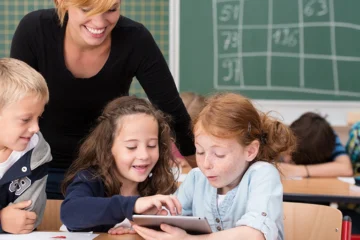
How Teachers Can Use Technology More Effectively

Technology has become a permanent part of modern education, but effective use goes far beyond digital worksheets or online videos. When used intentionally, technology can enhance engagement, personalize learning, and save valuable classroom time. The key lies in using the right tools with clear instructional purpose—not using tech for its own sake.
Start With Learning Goals, Not Tools
One of the most common mistakes is choosing technology first and figuring out how to use it later. Effective integration begins with clear learning objectives.
Teachers should ask:
- What should students know or be able to do?
- How can technology support that outcome?
- Does this tool simplify or complicate learning?
When technology aligns with goals, it becomes a support system rather than a distraction.
Use Technology to Personalize Learning
Every classroom includes students with different learning speeds and styles. Technology makes it easier to meet those differences without overwhelming teachers.
Ways to personalize instruction include:
- Adaptive learning platforms that adjust difficulty levels
- Self-paced video lessons students can replay
- Digital assessments that provide instant feedback
Personalization helps students stay engaged while building confidence and independence.
Encourage Active Learning, Not Passive Screen Time
Technology works best when students actively participate instead of consuming information passively.
Effective strategies include:
- Interactive quizzes and polls
- Collaborative documents and shared projects
- Digital simulations and problem-solving activities
Engagement increases when students create, discuss, and apply knowledge, rather than just watching or clicking.
Improve Classroom Organization and Time Management
Technology can significantly reduce administrative workload, giving teachers more time to focus on instruction.
Helpful uses include:
- Digital lesson planning and scheduling tools
- Automated grading for quizzes and assignments
- Centralized platforms for sharing resources and announcements
Clear organization improves consistency and reduces confusion for both teachers and students.
Strengthen Communication With Students and Parents
Digital communication tools make it easier to keep everyone informed and involved.
Benefits include:
- Real-time updates on assignments and deadlines
- Quick feedback on student progress
- Easier parent-teacher communication
Transparent communication builds trust and supports student accountability.
Support Collaboration and Teamwork
Technology allows students to collaborate beyond physical classroom limits.
Collaborative learning can involve:
- Group projects using shared documents
- Peer review through online platforms
- Virtual discussions that encourage quieter students to participate
These tools help students develop communication and teamwork skills essential for real-world success.
Invest Time in Professional Development
Technology evolves quickly, and effective use requires ongoing learning. Teachers benefit most when they understand both the technical and instructional value of digital tools.
Professional growth can include:
- Online training courses
- Peer collaboration and idea-sharing
- Experimenting with new tools in low-risk settings
Confidence with technology leads to smoother implementation and better outcomes.
Maintain Balance and Digital Well-Being
More technology does not always mean better learning. Thoughtful balance protects students from fatigue and distraction.
Best practices include:
- Limiting unnecessary screen time
- Combining digital tools with hands-on activities
- Teaching responsible and ethical technology use
Balanced classrooms foster focus, creativity, and healthy learning habits.
Final Thoughts
Technology is most powerful when it supports strong teaching practices, not replaces them. By focusing on purpose, engagement, and balance, teachers can transform technology into a meaningful educational ally that enhances both teaching and learning experiences.
Frequently Asked Questions (FAQs)
1. What is the biggest mistake teachers make when using technology?
Using tools without a clear learning purpose often leads to distraction rather than meaningful engagement.
2. How can teachers use technology in low-resource classrooms?
Free tools, shared devices, and offline digital content can still support effective technology integration.
3. Does technology reduce the role of the teacher?
No. Technology supports instruction, but teachers remain essential for guidance, feedback, and motivation.
4. How can teachers measure if technology is improving learning?
Improved participation, stronger assessment results, and clearer understanding of concepts are key indicators.
5. What skills should teachers develop to use technology effectively?
Digital literacy, adaptability, classroom management, and instructional design skills are most important.
6. How can teachers prevent student distraction with devices?
Clear rules, structured activities, and purposeful tool selection help keep students focused.
7. Is it necessary for teachers to use the latest technology tools?
No. Effectiveness depends on how well tools support learning, not how new or advanced they are.
If you’d like, I can also adapt this article for educators, school administrators, or policy audiences, or optimize it further for SEO and readability.